Author Archives: Annalisa Barbieri

Torrone

Torrone with dried cherries, almonds and pistachios. Sweets for grown ups

 
Torrone is Italian nougat. It’s usually sold at festas, and at Christmas we always get some. Usually it’s of the rock hard variety (I get the impression this is easier to make as the softer one – which I thought of as the ultimate luxury as a child – is much harder to find and more expensive). Sometimes it’s covered in chocolate and sometimes it’s pantorrone which is torrone with a booze-soaked sponge that runs through it, covered in chocolate.

The only person I know who ever made their own torrone was my uncle Bruno, but he died some years ago, so I couldn’t ask him.  I knew it was fiendishly difficult.

I was not proved wrong.

Actually I don’t want to scare you. It’s not that it’s difficult, difficult. But it’s a lot about technique and temperature and there’s no correcting it if you get it wrong. My heart was beating really fast when I made it and I think I probably shortened my life by six months.

Please do not try to make it if you’re in a rush or you have young children running round the house.

Don’t make it if you haven’t got the right ingredients or utensils. You really need a sugar thermometer for example. 

You heat the mixture up to 130C and you have minutes to make it once it’s at temperature. You really need to have all your equipment near to you (I actually moved my Kenwood Chef out of its specially built cubby hole next to my cooker and I strongly suggest you have your mixer next to your hob, too).

I wouldn’t try to make this without a freestanding mixer.

And as I said, no small children that only you are in charge of; getting 130C sugar solution on skin is not a joke. I know, I’ve done it (when I made toffee apples one year) and the burn was ferocious.

So now that I’ve scared you stupid, here’s the good bit. If you get it right – and you will – it’s glorious. It looks lovely and it’s pretty much all over in half an hour.

I got this recipe from the Donna Hay (I LOVE HER) magazine Dec/Jan2012 magazine, however I can’t find it on line so I can’t link to it. Which is a shame cos the pictures are GORGEOUS. If you have an iPad, do get the app (which is currently free). I’ve adapted it slightly in that I added the nuts and dried fruits I wanted to add. Basically once you’ve got the nougat done (and I wouldn’t mess with that part of it) you can add any nuts/dried fruits you want up to a point. You don’t want to overload the mixture. I’d say 400g total of nuts/dried fruits is probably the limit. I used about 200g and could easily have had more.

You need 2 x sheets of confectionery rice paper (I got mine from Amazon; Lakeland also sells it as does the Jane Asher on line shop. You may be able to get it locally, I couldn’t).

550g caster sugar
350g liquid glucose
115g honey
1 teaspoon of vanilla extract
2 eggwhites, at room temperature
100g butter, softened – mine was melted but cooled
then whatever nuts/dried fruits you want. I used about 160g almonds and pistachios and 60g dried cherries. Hazelnuts would also be lovely I think. Toast the nuts gently first.

A word about liquid glucose. You can buy it in small tubes/tubs from the supermarket. Your chemist may be able to sell you culinary grade liquid glucose in bigger quantities. I buy mine from Jayson’s Pharmacy. JM Loveridge also sells it (and in fact the one I got from Jayson’s was marked Loveridge) but I couldn’t work out how to buy it on site and was in a rush.

You need to line the base of a 20cm square tin with the rice paper. My rice paper wasn’t big enough so I overlaid another sheet to fill the gap. Keep the other sheet for the top.

Now, place the sugar, glucose, honey and vanilla in a saucepan with a handle. Very important this, as you’ll need to use just one hand to eventually pour the ingredients into the mixer bowl.

Over a low heat, let it all dissolve. Stir until this happens. Once the mixture starts to boil, put in a sugar thermometer and watch the temperature rise as it heats. You need to watch it. Don’t wander off. Donna Hay says that once it gets to about 110C put the egg whites in the free standing mixer and start whisking until stiff peaks form. I found that by doing this (my mixer was right next to me by the hob, have I mentioned) I had plenty of time.

You’ll find the temperature goes up in leaps, then seems to stagnate (you may need to gently increase the heat but keep watching it), then jumps up again. Once it’s at 130 you are green for go.

With the mixer beating (I had mine on medium speed), pour the molten sugar mixture very slowly into the egg whites. The idea is that it you cook the egg whites with the sugar mixture. A slow, steady, thin stream is what you’re looking for. Beating continuously all the time. Don’t stop! Once all the sugar mixture is in, continue beating for about a minute, until thick and glossy. But don’t hang around or it will start to set and you won’t get anything else into it. Now add the softened butter, whisking til well incorporated before adding more. It may start to look greasy and slightly separate. Do not panic. Once all the butter is added, keep whisking for another minute until it all looks well combined.

Now, working fast, lift up the mixer and take the bowl out. Stir in the nuts and fruits manually – you need to make sure they’re evenly distributed but as you stir it you’ll feel it setting so be quick – and pour/spoon the mixture into the prepared tin.

Cover with the other rice paper (again, using more than one sheet if yours isn’t big enough) and flatten with another tin or just your  hands. Now leave to set. Donna doesn’t say where, I think a cool kitchen is fine. Leave to set for eight hours (mine was done way before this). Then turn out – it can take some wrestling and cut into strips/cubes.

When I first made it and tasted it, it was really chewy. So chewy that I thought “hmm, my dentist isn’t going to like this” but after a few days it changed to a really lovely, soft consistency that wasn’t remotely filling pulling. Donna Hay says to keep it cold as the humidity will make it melt. In Italy they say to keep it in the fridge, too. But it’s zero degrees here in Suffolk and my nougat has been at room temperature (room temp being about 20C) and it’s absolutely fine. But if you do want to keep it cold, just remember to get it up to room temperature before eating it.

It’s very delicious. Would make – has made – great presents. I wouldn’t make this for every day but once/twice a year, a wonderful treat. And I feel it’s elevated me onto a whole other level of ‘cooking’. I mean, I made torrone and lived!

Your own orange chocolate orange

Okay. Two chocolate recipes in a row and then I think that’s enough. I must talk about something hard core and tecchy next like SIM card entry systems (I do know about those, actually).

Hmm. I can’t work out how to rotate this. Although I guess there’s no right way up…

These are even simpler than the salted caramel chocolates because it’s all done in one stage. BUT you do really need to have made the candied orange peel before that. That’s the secret weapon.

The good news is that you eat far less chocolates if you’ve made them yourself. Promise. At least you do once the novelty has worn off.

So obviously you can do this in any sort of mould. You could even make them lolly shaped. But I just happentohave, woudln’t you know it, some orange segment moulds.

Melt some chocolate, I always use 70% cocoa but you could use more or less. Chop up some candied orange peel, really small. Then pour some chocolate into the moulds, half way, sprinkle the chopped up candied orange peel in. Top up with more melted chocolate. If you put the orange peel in first (which you can do) they will show at the top. Perfectly fine but not as pretty. That’s it. Put in fridge for half an hour. Turn out. Eat. Won’t make you quite as sick as a Terry’s chocolate orange and much better for you.

I’ve checked with the Department of Health and these are officially one of your five a day…

Salted caramel chocolates

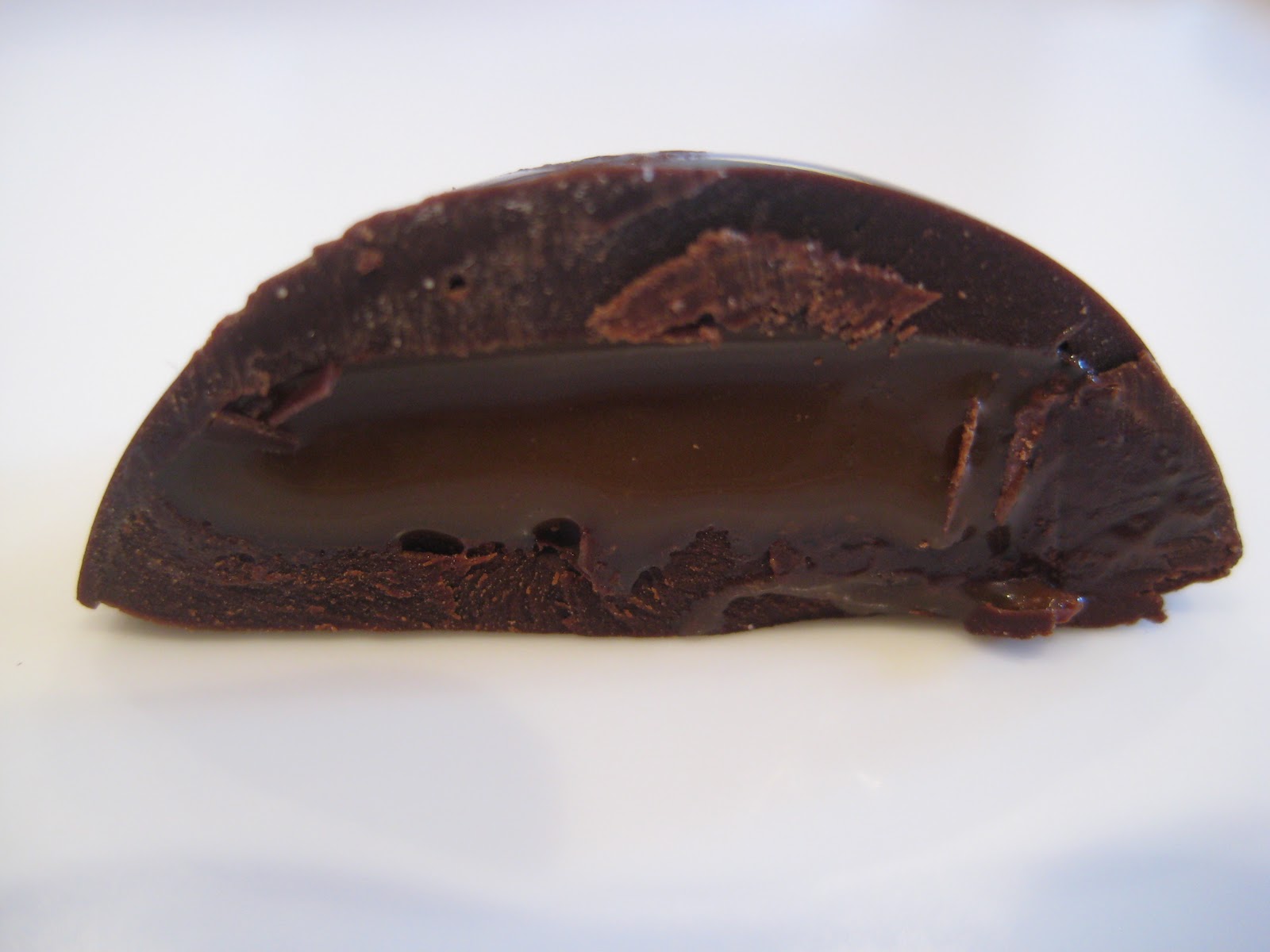
Here it is, cut in half.

I’m very fond of salted caramel chocolates. I know salted caramel is a bit everywhere now, but I am partial.

L’Artisan du Chocolat’s are my favourite. But expensive. I went into the store within Selfridges not so long ago and a box costs £12 million pounds. Or nearly that.

Anyway, whenever I’m on a deadline, which is often, I think about how I can waste time in the kitchen. Because when I am failing at writing I need to achieve at something. Be it ironing or stuffing envelopes. I need a task that has a beginning, middle and end. Unlike writing which seems like all beginning and then huge relief followed by anxiety.

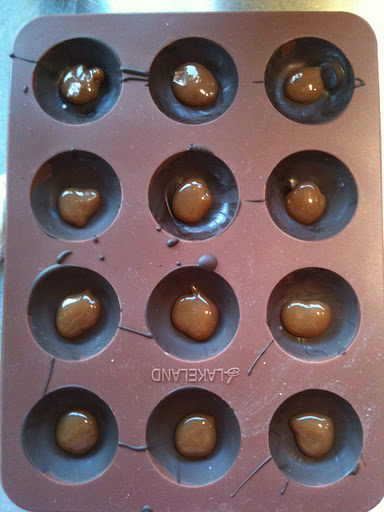
So this is what I did. I got my button chocolate mould, what I bought at Lakeland. This doesn’t make buttons like Cadbury’s buttons, it’s bigger. Each button is about 2cm across at the widest part. (Or something, I haven’t measured it I can if anyone wants me to). I melted some 70% cocoa chocolate, which isn’t really chocolate, it’s health food. I half filled the mould. Then put it in the fridge until set (not long). Then I put in some caramel sauce.

Here they are, chocolate at the bottom already. I actually put a bit more caramel in than is shown because I am very greedy.

Don’t be mean with the caramel sauce. But don’t fill so much that you can’t seal the chocolate up. They key is not to get the chocolate too thick, but to strike the right balance between enough chocolate to hold the caramel in, without making it too thin/thick. Even if you get it wrong the result is totally delicious, so fret not.

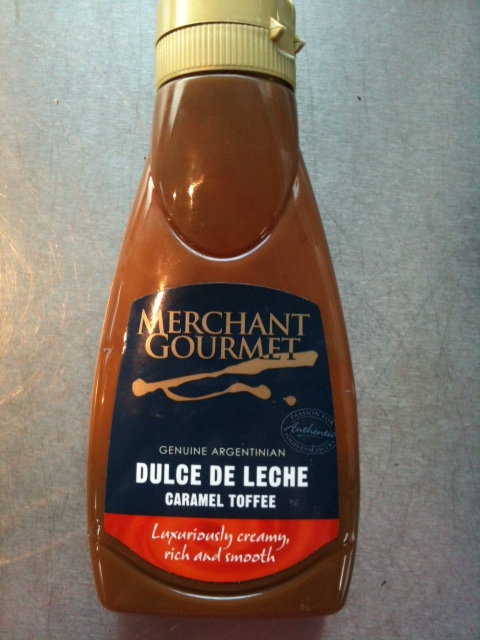
I use this caramel toffee sauce, aka dulce de leche. I don’t know how authentic it is but it’s what I use.

You thought I made my own caramel to go in these? You were wrong.

On top of each puddle of caramel, I then put a sprinkle of sea or rock salt. My two year old sometimes helps with this bit and some get enough salt to put you in a coma and I have to go round cleaning up.

You then let it rest for a bit more in the fridge, then top up with more chocolate. I keep my chocolate runny by keeping it over a pan of boiling water (but not on the stove).

Voila. Easy. Let’s just have another look at the finished product:

Pretty nice eh?


Addendum, November 2012.

I have now started making my own caramel to make these and it elevates them into something else. It doesn’t take long to make, the caramel, but as it’s my secret ingredient I am, for once, not going to share it. I’ll just post this here to be really annoying.

But you can find a recipe for caramel anywhere…

LED candle lights

Some years ago, I spied some rechargeable lights that looked really good. They were called Candela rechargeable lights by Vessel and they were not cheap: about £70 for four. I bought some and for a while, they were indeed great. You could use them inside or outside, no wires or batteries, and when they needed recharging you just put them in their recharging base (which did plug in). I could use them as a night light for my children – they could even take them to bed with them if they wanted.

The Candela (which means candle in Italian by the way). Not working because, well, they don’t work anymore.

But. After not very long at all, they stopped taking a charge. After replacing the base three times I gave up and relegated them to the top of the dressing table, where they’re still gathering dust. I can’t seem to find them for sale in this country anymore and perhaps that’s why, cos they just stopped working after a while and people got fed up with them.

This was a shame because they were also really good for when and where you wanted low, ambient light – a bath say – but didn’t want to use a candle. I love candles, I have more scented candles than you could possibly imagine: Diptyque, Creed, Jo Malone, Fresh et al, but with two young children, I don’t really use them much anymore.  So for the past few years I’ve been having a bath under what seem like 2000W bulbs. Restful? Not much.

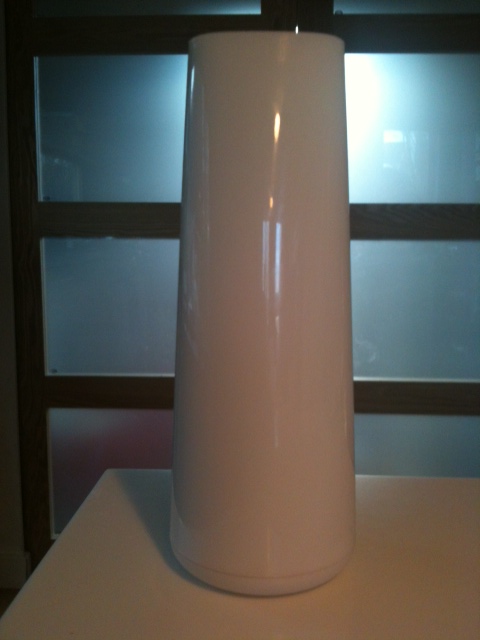
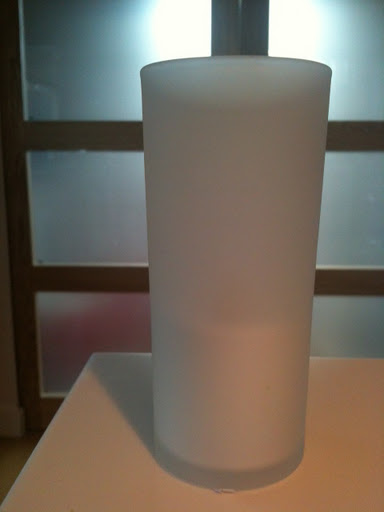
Then I found these LED flickering Imageo candle lights from Philips.

Here they are off.

Here they are on. Magic init.

A company I can at least track down fairly easily if things go wrong. And instead of £70 they cost £17 for three (ha, just looked and they’re even cheaper now, but you know with Amazon the price goes up and down, £17 is what I paid for them anyway). I though they’d be a bit naff, but actually they’re rather good (they look like a candle in a frosted glass container). You tip them to turn them on or off and when not in use they sit charging in a base. Great in pumpkins come Hallowe’en, great anywhere you’d use a candle. I love them by the bath, don’t have to worry about switching them off. They’re really nice on a dinner table (no point pretending they’re real but from a distance they do look authentic).  I give my children baths using them when they need calming down (works a treat, the little one goes into a sort of trance looking at them, so much so that I end up asking her if she’s doing a poo in the bath, it’s that sort of far away stare, but don’t worry, cos she’s not, she’s just transfixed).

They won’t be everyone’s cup of tea, but I love ’em.

Pate de fruit

Fruit pastilles or pate de fruit. Not chewy, just soft set jellied sweets. Mmmm.
Each Christmas my eldest and I make Christmas cards that you can eat, or use. You know the sort of thing: gingerbread men, bath bombs etc. To give out to her school friends. I get an inordinate amount of pleasure from making cards with my daughter. And it’s very useful deadline-avoiding fodder. Please don’t let this make you tense, it’s not everyone’s idea of fun, but it is mine. (Even as a child Id make cakes to avoid doing homework. Then I’d flog them to my dad who had a café.) 
So anyway. This year I had the fanciful idea of making a sheet of fruit pastilles, then cutting them into Christmas tree shapes and putting them in clear front photo bags (I got them in bulk some years ago, which was in part what started this Christmas card project thing as I was determined to find a use for them). 
This was the idea anyway, making Christmas tree shaped red fruit jellies. In the end, I realised that you’d need an enormous amount of fruit to make the number of fruity Christmas trees we’d need, to enable her to give one to each of her school friends. I’m keen, but not that keen. 
But I made the fruit pastilles anyway and cut them into cubes. If you fancy whiling away half an hour, these make a pretty present (although they don’t really last long) and are intensely fruity (don’t expect Haribo chewiness, these are like fruit jellies, or pate de fruits). I haven’t yet experimented with other fruit but I know people who make them with all sorts: rhubarb, apple, blackberry, mango etc. The only thing I will suggest is that you think of the final colour and use the fruit accordingly. You want something that looks appealing so if you use a wishy washy coloured fruit (apple, say) don’t let it dominate. Personally I think berries are ideal as the main ingredient.
This is what you need:
Some fruit – you really need to start with about 300g of it to make this worth your while. I used raspberries and apple for the ones here. About 90% raspberries to 10% apple.
Preserving or jam sugar (the one with pectin in it)
Put the fruit into a saucepan – chop up if necessary. Obviously that doesn’t apply to berries and if you’re interested I used frozen berries.  Squeeze some lemon on them, I squeezed a wedge on my 300g of fruit. It doesn’t have to be precise, as you can probably tell.
Cook over a gentle heat until sludgy. If you’re using a mixture of fruit (say, like I did apple and raspberry) you may want to start the harder fruit off first. Cook until mushed up. Towards the end, I help break everything up with a stick blender.
Now, take off the heat and sieve into a bowl or other saucepan. Be aware you’ll need to weigh the resulting puree. If you have chickens, you can feed them the sludge left in the sieve.
Whatever you’re left with, weigh it and add the same amount of sugar. I think I was left with about 150g of fruit puree so I added 150g of the preserving sugar.
Put the puree and sugar in a saucepan, and heat gently. Stir until al the sugar is dissolved, then keep heating gently for about 30mins. Stir occasionally. You know it’s done when it’s thickened and if you take a spoonful out it will dangle off the spoon as you drip it off (this will make sense when you do it) instead of just falling off. You want it to be glutinous.
Line a suitable tin/tray with baking parchment. I used the bottom of a loaf tin. It’s easier if you have nice straight sides as they’ll be less to cut off and straighten up later.
Put in the fridge and let it cool. Mine were done after about three hours. You can leave it overnight.
Turn out onto a chopping board. It should be one solid mass. Tidy up the sides but cutting (I use them as fruit snakes), and cut into cubes or whatever damn hell shape you want. Roll in caster sugar and let them air dry for about an hour to set. Personally I store them in the fridge as they can go a bit sludgy (gosh, I’ve overused that word today).

Oat pudding, or porridge pudding, in the style of rice pudding

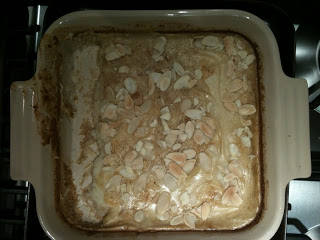
I ate all of the strip missing just waiting for it to cool.

I recently discovered a really lovely, easy, recipe for a rice pudding that is simple but creamy without being laden with too much fat or sugar  (on the Waitrose site). Every time we have too much milk in the house I make it. I love having a pudding you can so easily heat up, and yet is so comforting in the house.

But I still felt slightly guilty eating it, mostly cos of the pudding rice which is hardly the world’s most nutritious food stuff. And then I thought what would happen if I made it with coarse cut oatmeal, which is low in fibre, said to lower cholesterol and generally add 10 years to your life? This was also borne out of the fact that I love porridge, but often can’t be arsed to make it first thing, especially not the ‘really good’ kind that takes ten minutes of stirring (sorry, not interested in cooking porridge in the microwave).

So I tried it with oats – coarse cut oatmeal – and I love it. The incredibly slow cooking makes it taste really creamy, even though it’s only using semi skimmed milk. And the bay leaves and vanilla give it an incredible flavour, without adding calories. I guess you could try to do it with half water/half milk (how I make my porridge on the stove top) and I might try to cut the sugar down a teensy bit more. But I wouldn’t play with this too much, because it’s actually very good. I take a slice of a morning, heat it up in the microwave, add fruit if I want to, or seeds, and in under two minutes you’ve got ace porridge.

If you don’t like porridge or rice pudding, there’s little chance you’ll like this. If you do though, give this a try and let me know what you think.

600ml semi skimmed milk
2 teaspoons of vanilla extract
2 bay leaves (i use dried)
A sprinkling of sea salt
50g coarse cut oatmeal (or pudding rice if you want to make this into rice pudding, in which case up the sugar to 3 tablespoons and omit the salt)
2 tablespoons caster sugar
2 tablespoons of flaked almonds

Preheat the oven to 150C. Put the milk, vanilla extract and the bay leaves (tear them a little) into a saucepan and heat until almost boiling. Remove from the heat and leave to cool a little.

Lightly grease a 1.3L shallow oven proof dish. For ease (until the milk is absorbed this can spill), I put the dish on a baking tray. Scatter the oatmeal, salt and sugar around the dish. Then strain the milk over the top (discard the bay leaves).

Cover with foil and bake for one hour. After an hour, remove the foil, stir, cover with the foil again and cook for another 30 mins.

After this, remove the foil, sprinkle the almonds on top and then put back into the oven (uncovered, you’re done with the foil now), for another 30 mins. If your oven has a ‘top oven’ function, use it. I use it at this point – for the last half hour – to brown the top.

Eat. Enjoy. It’s porridge, but not as you know it.

Cantuccini

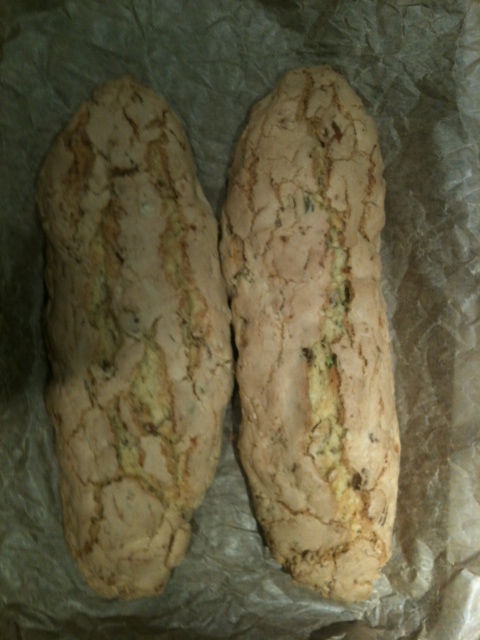
Here they are baked and on their sides showing off all their lovely ingredients.

My cousin Mary died recently. For her funeral reception, to celebrate the two very distinct sides of her heritage – Italian and English – I made cantuccini and a Bakewell tart.

If you think you know cantuccini biscuits as some dry little slab of a biscuit, offered as a consolation prize with your cappuccino, think again. These are crisp but moist and delicious. Even though it was a funeral, I got asked for the recipe and even though my father isn’t known for compliments he declared these “first class”. Here, in memory of Mary, who took me out on my first ‘solo’ trip to the newsagent to buy chocolate, and was the first person I remember ever telling me I was pretty, is the recipe. God bless you Mary, I’ll never forget you.

75g butter – it should be very soft
150g icing sugar, no other will do
1 egg, preferably from your own chicken
1 teaspoon of vanilla extract
1 tablespoon of brandy
225g plain flour
half a teaspoon of bicarbonate of soda
1 teaspoon of fennel seeds, I implore you not to leave these out
100g almonds and pistachios, roughly chopped *
the zest of half a lemon
the zest of half an orange

Preheat your oven to 180C.

Line a baking sheet with baking parchment. Scrunch it up first and then smooth it out so it lies flat. Cream together the butter and icing sugar. At first this will seem like an impossible task, but believe and it will happen. It’s also a great arm work out. You need to keep going until it’s fluffy and thick and looks like…well, what it is. Icing sugar and butter mixed together. Don’t give up  until you get to that bit, this is the only hard-work part of the recipe.

Then add the egg, mix up a bit, then the vanilla extract, mix up a bit then the brandy, mix up a bit.

Then add the flour and the bicarb, the fennel seeds, nuts and zests. Mix together. You should have a very soft dough. With your hands, man-handle the dough into two log shapes with tapered ends, place on baking paper lined tray and finesse the shape whilst in situ ((I flatten the top a little). These do rise a little so place as far apart as your tray will allow. Don’t worry if it’s only a few cms, but don’t have them touching when they go in as they will fuse together (even that isn’t the end of the world, but it’s not ideal).

Cook for 20-25 mins. The tops should be golden but not super brown.

Just out of the oven. This is the colour they should be.

Slide the whole sheet onto a cooling rack and after about 20mins you can transfer the whole sheet onto a chopping board and slice them into, well, slices. I then transfer them back onto the cooling rack on their sides, so they can cool completely.

I find these so easy to make. They keep well and they’re a lovely biscuit to have in. I hope you enjoy them. They also make great presents wrapped in cellophane bags.

* When I make my own almond milk I use the almond ‘paste’ left over in these biscuits – I use about 80g of the almond paste and then 50g or so of chopped pistachios. Lovely.

Burger/hotdog buns

The hole in my bread-making repertoire was, until yesterday, burger-bun shaped. Despite making my own sourdough, bagels, monkey bread, pizza, I hadn’t managed to make (in truth hadn’t ever really tried as I thought it was beyond me) any sort of soft roll to enclose a burger or sausage or hot dog. And any time we bought them in the supermarket, those cotton woolly rolls, I felt more annoyed with myself.

I really dislike supermarket bread.

Yesterday we had people round and we were going to make spicy butternut squash soup and sausages in a roll. So I determined to finally make my own rolls.

I remembered, a while back, Dan Lepard had written about making burger buns (the article and full recipe is here), and the response had been that they were very good. So I gave them a go.

Because we had so many people round I doubled the recipe, and I hope Dan will forgive me for reproducing it here, but I just find it easier to have everything in one place.

You need: (Dan says this makes about 6-8, I made them smaller and submarine roll shaped and got about 24 out of doubling the mixture).

275g sliced white onion
50ml sunflower oil plus extra for greasing the surface you knead on
75g low fat yoghurt (I used Greek yoghurt, as that’s what I had)
2tsp of honey (oil the spoon first so the honey just drops off)
1 medium egg
1 sachet or 7g fast-action yeast (I use Dove’s Farm)
75g wholemeal (normal, plain) flour
425g strong white bread flour
2tsp salt (I grind up Maldon sea salt)
poppy seeds

The first thing you do is put the onions, with the oil and a bit of water, into a pan and let them sweat until very soft and translucent, with all of the moisture gone. Leave to cool then tip into a large bowl (with any oil that’s still in the pan). To this add yog, honey and egg. Then add 125ml warm water and the yeast, the flours and salt. Mix together. You will very likely have to add more water – Dan suggests 50ml – it depends on how much moisture is in the onions and how you like your dough to be. I’m quite confident now with a very soft dough. But add the water bit by bit to see how you go.

Leave for 10 mins then tip it out onto an oiled surface and knead lightly for 10 seconds. Cover with a bowl or put back in the bowl and cover..and repeat this twice more – leaving it for ten mins then kneading it for ten seconds.

After the third knead, leave it covered and undisturbed for one hour.

Then take bits off it and start shaping – either large round buns, or long ones, whatever you like. Put on a baking parchment lined tray. Brush with water and sprinkle on poppy seeds (or you know, any seeds you like or no seeds). Cover and leave to rise for about 90 mins – Dan says until they’re 50% risen. In my kitchen (about 21 degrees) this timing was pretty spot on.

Put rolls into a preheated oven: 220C. Dan says 15 mins, mine were done in 10 (my oven is very hot), they’re done when they’re just “brown on top”.

They are delicious – really soft and tasty. I didn’t tell the children there was onion in the dough and they all seemed to love the rolls. And it saves having to add onions to the burger/hot dog, although you can add more if you want to. There’s really no sharp taste of onion or anything like that. That said, if you want to leave the onion out, I asked Dan and he said “the precooking of the onions sweetens them and softens the flavour, but leave them out if you like and only add in half the oil to the dough.”

Really top notch, so easy and delicious. I have frozen some for emergency burger needs.

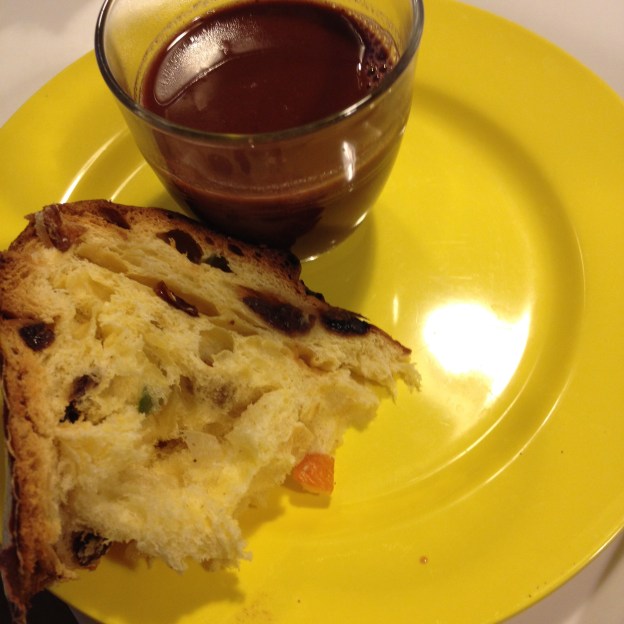
Now, someone gave me a recipe for panettone last year: if it was you please could you let me have it again?

Chocolate Mulled Wine

I found this recipe, in amongst various things I’d torn out of a magazine one Christmas past. It answered my question: “should I serve hot chocolate or booze (to the grown ups)?” for a Trick or Treating treasure hunt extravaganza that we were staging in our garden (for the children). It came from Delicious magazine and was written by Laura Santini. I really can’t impress on you how very good it is. Even my partner – a wine expert and hater of mulled wine – got all knee-buckly about it.

This apparently serves six but there was four of us and we managed quite nicely…

750ml red wine
1 cinnamon stick
1 large dried red chilli (I didn’t have one so I used some chilli flakes)
1tsp ground spice
5 whole cloves
100g caster sugar
50g Venezuelan Black chocolate, 100% cocoa – grated*

*if you’ve never grated 100% cocoa chocolate, be warned: it’s very brittle/dry and it goes EVERYWHERE. I wouldn’t personally recommend grating it, but instead, scraping it off with a sharp knife.

This is what you do:

Put the wine and spices in a saucepan and warm slowly, over a very low heat. Then, add the sugar and stir until dissolved.

Add the chocolate and warm through. I used one of those Aerolatte whizzer things to homogenize it as it had a tendency to go a bit ‘speckedly’ with the chocolate. You can either then strain and serve, or strain and chill until you need it (it says it’ll keep for two days), then warm it up again and serve.

I really don’t plan to make mulled wine any other way now. And look: 100% cocoa is terrifically good for you, so this is practically a health drink.


Snow Boots

My very best snow boots were bought when I was fourteen from a ski shop in Kensington, London.  In preparation for a school ski-ing holiday to Caspoggio in Italy. I forget the make of them, but they served me for about twenty years (my feet didn’t seem to grow again til I got pregnant). I do remember that they were Canadian, made of leather, lined in sheepskin and with an extremely thick, rubber sole that seemed to stick to sheet ice. Eventually, they fell apart.

I don’t have snowboots as such now. I wear my neoprene wellingtons, my sheepskin boots or my Ecco Voyages, which are brilliant (best buy!). But living in the country, we feel the winter more keenly than we did in London.

Raindrops is where I buy my children’s snowboots. Every year I ring them up (excellent service) and trying to get them to work out what size I should buy, because I try to eek out two winters’ wear out of them.

The eskimo boots, £42, look like they’d be the best boot of all, but for my eldest I bought the Molo boot (the design has changed this year, it used to be nicer: these ones, which they still do for £20 but in limited sizes), which is plenty warm and practical enough for a Suffolk winter.

Last year, for my youngest (who was a size two then), I bought her these baby snowboots, £32, which were utterly brilliant. The baby snowboots have a tight ankle, so they’re quite a struggle to get in to, so go larger if need be, whereas I think the Molo and the limited stock ones come up quite big.

To help you with sizing, my youngest is a size 4G in StartRite and I got her a six in the baby snowboots – they are huge, but she can walk fine in them and there’s a hope they’ll still fit in February. Maybe even next year. My youngest is an 11.5F or G in StartRite and I got her a 12 in the Molos and they are big, but I’m not sure I’d go smaller. Thick socks and all that. Both these styles can go in the washing machine and I really rate them.

In fact I’m selling last year’s baby snowboots in grey, size 3 if anyone is interested: email me annalisa dot barbieri at mac dot com.