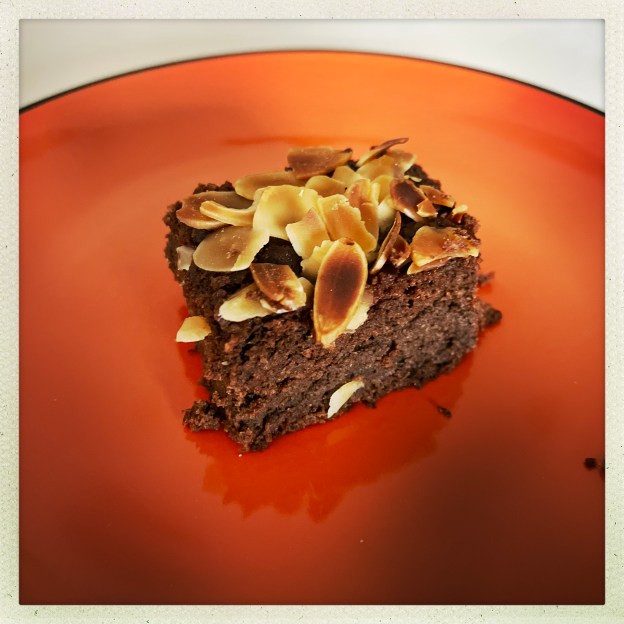
Tag Archives: cake

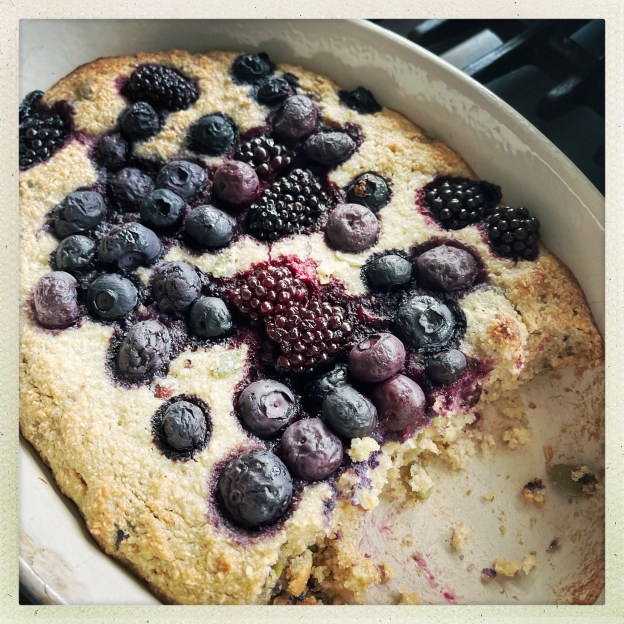
A super healthy clafoutis

So, first up this is from Tim Spector’s excellent The Food for Life Cookbook which you should buy.

I have a very restrictive and healthy diet (no dairy or soya, minimal animal products, nightshades and sugar). Regular cakes, biscuits n ting are a thing of the past. I do taste chocolate as that’s my job, but in tiny amounts. So Tim’s book (as well as some of the Deliciously Ella books: the first one was awful but they’ve got really good since) is a Godsend for me. I still make yummy things for my family and friends but I rarely have anything for me to eat that’s desserty. Don’t feel sorry for me! I look great, have lost a ton of weight, feel pretty good most of the time and can, and still do, eat pasta and bread because my nutritionist – Pr Valter Longo – is Italian!

I didn’t have much hope for this but I made it for some girlfriends and I really loved it and my friend Katie went mad for it, but I thought I could improve it (sorry Tim) and so this is my adapted version.

55g light brown sugar
3 tablespoons of extra virgin olive oil
1 egg
200g kefir (I use coconut kefir)
100g oat bran
100g ground almonds
35g toasted hazelnuts (or nuts of your choice, or more seeds), chopped
35g pumpkin seeds
half a teaspoon of baking powder
Pinch of salt
160g frozen berries or fresh ones (I particularly like cherries when they are in season)
Zest of one lemon

Oven to 200C, oil an oval baking dish (the sort you might make a crumble in, Tims says 23cm round one).

Basically put everything together, mix well, spoon into the dish, whack in the oven for 25 mins. Best eaten warm, it also makes a rather nice breakfast. Serve with whatever you want/can eat. I have mine with coconut yoghurt.

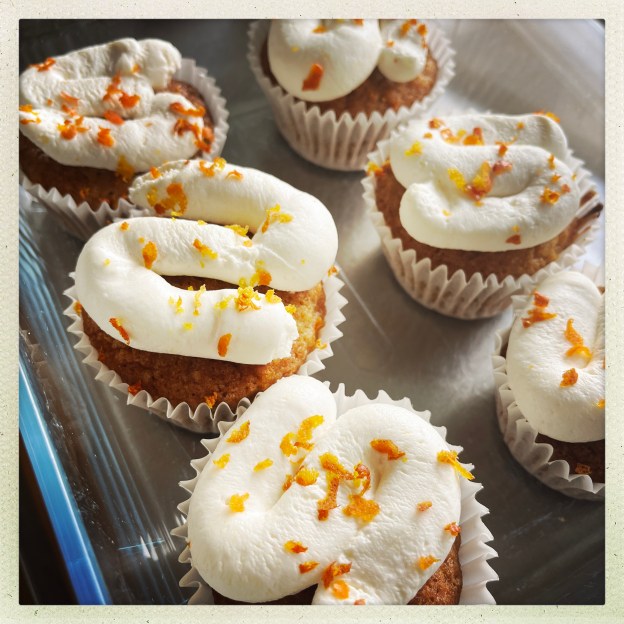
Carrot and Cardamom cupcakes

These are delicious, fresh and light and adapted from a Waitrose recipe which you can find here.

I changed the frosting as I can’t bear an overly sweet one and the addition of the Fiori di Sicilia is, if I say so myself, inspired…

Unfortunately they don’t travel well and need to be kept in the fridge – if you can let them chambré at room temperature for a bit before eating. I guess you could make this into one giant cake but not sure why you’d want to…

Ingredients for the cakes

12 cardamom pods
175g light brown sugar
200g self raising flour
Half a teaspoon of baking powder
Quarter a teaspoon of fine sea salt
2 eggs
150ml of olive oil
200g of carrots, coarsely grated (I hate grating things)
Two oranges, preferably organic as you are using the zest. You’ll only need the zest of one for the actual cakes. So if you’re short you really don’t need two but the zest, grated, as a decoration – see later – does look nice.

Ingredients for the icing/frosting

250g mascarpone
85g Greek yoghurt
55g icing sugar
Optional but wonderful: a good few drops of Fiori di Sicilia essence. You can also add this into the cake mixture if you prefer.

Oven to 180C.

You’ll need a 12-hole muffin tin lined with muffin papers. Open the cardamom seeds, discard the shells and grind up the little seeds as best you can. It’s good if you’re in a bad mood here as you can really bash away with a pestle and mortar.

Whisk together the sugar, flour, baking powder, salt and the ground up cardamom when ready.

In a separate, larger bowl whisk together the eggs and olive oil then pour over the dry ingredients with the grated carrot and zest of one orange. Gently mix until combined well and then pour equally into the muffin cases.

Bake for about 20 mins until a skewer comes out clean and they bounce back when gently pressed (careful not to burn a finger). When done take out and let cool completely (I take them out of the tin, still in their cases of course, about ten minutes out of the oven).

You can make the frosting whilst they are cooking and put it in the fridge for later. Here you just mix the mascarpone, icing sugar and yoghurt together with a few drops of the Fiori di Sicilia. You should have a fairly thick mixture. If it’s not thick enough for you (and sometimes it isn’t due to the water content of the dairy) then add a bit more icing sugar.

When the cakes are cooled you can ice the frosting on – it looks really good if you can be bothered to do this but I admit sometimes I just can’t be so I just spoon/spatula it on thicky and then, if you had another spare orange, grate zest on top. Voilà.

Chocolate chestnut cake (a perfect alternative to Christmas cake)

I discovered this recipe in Delicious magazine (the original is here), a couple of years ago. I’m a total sucker for chocolates and chestnuts which is why I paired with Lumi to make Chocolate Chestnut Truffles. (Please note I don’t make any money from these truffles and never have.)

Anyway I made this and it has become a bit of a classic in our house and I like to make it in the run up to Christmas, when you want to give yourself over to festivities but aren’t ready for the full Christmas pudding/Christmas cake yet. Not that I ever make either – I do like them but in small doses. At Christmas in our house I make Chocolate Chestnut Rum Roulade (which I really need to add to this blog before the recipe slips away).

The original recipe calls for a very small cake tin – 16cm. I toy every time I make this with buying a special tin but feel so reckless doing this as I have so many cake tins already. However, the smallest diameter one I have is 20cm so that’s what I make it in and it’s absolutely fine. But if you want a taller, more towering cake then you may want to invest. The cooking time doesn’t seem to change, for me, in the wider tin.

You need:

60g sultanas, put them to soak in 60ml of port, sweet vermouth or whatever nice liqueur you have. I think Cointreau is nice but this year I soaked mine in Plum Liqueur forgetting, foolishly, that I had some Panettone flavoured spirit which is divine (from Selfridges). Give them a really long soak.
100g butter cut into little pieces, it can be from the fridge
300g vacuum packed chestnuts
130g crème fraîche (original recipe calls for 130ml but I just put in 130g as I measure everything into a bowl, atop the scales)
30g plain flour
half a teaspoon of cinnamon
half a teaspoon of ginger

200g of 70% chocolate, chopped into small pieces
3 eggs, separated yolk and white into separate bowls
60g caster sugar

Later, for the ganache

100g 70% chocolate, again chopped
160ml double cream


A tin of 16-20cm (see intro) lined with baking parchment, at the very least on its base, and oven preheated to 160C.

What to do:

First things first: put the sultanas to soak in the liqueur of your choice. I tend to do this in the morning of the day I want to cook, but you can also do it the night before. When you do use the sultanas you’ll need to drain them of the liqueur and if I time it right, I use the liqueur in the cranberry sauce I make (I just stir it in once the cranberries are done, but you could also do it before they cook). If this doesn’t work for you you could whip some cream up with the left over liqueur, to serve with this cake.

In a food processor, blitz together the crème fraîche and the chestnuts.

In a separate bowl mix together the flour, spices and a pinch of salt.

Now you want to melt the chocolate and butter together over a saucepan of simmering water. Make sure the bowl doesn’t touch the water, and you want to take it off before all the chocolate is melted – just carry on stirring – or the chocolate may seize up. I do this part – the chocolate and butter melting – on a fairly large bain marie and I end up using the top part of the bain marie to mix everything together when the time comes. But otherwise, don’t worry: just get a big bowl and decant your chestnut and crème fraîche from the blender into that and this will be your bowl where everything, eventually, meets.

Once the chocolate has melted, put it aside to cool for a bit – about ten minutes. Then mix it into the chestnut and crème fraîche mixture; one at a time stir the egg yolks into this mixture, until everything is fully mixed and then add the flour/spice/salt mixture.

Whisk together the egg whites until stiff, then take a little of the beaten egg whites and mix it into your cake mixture to loosen it. Then taking a large-ish metal spoon as it makes it easier, gently fold the egg whites into the cake mixture. Don’t forget the sultanas, if you haven’t drained them do so now and add them into the cake mixture. It will be a fairly thick mixture, level it out and bake it for 30-35 mins. I admit mine took a bit longer, more like 40mins but the numbers have worn out on my oven dial so it’s possible it was too low. It’s done when a few crumbs of mixture are still clinging to a testing skewer.

Leave to cool for ten minutes in the tin, then turn out. The bottom of the cake will become the top of the cake. You can easily do this bit the day before but, day before or not make sure the cake is thoroughly cooled before you ice it.

To ice the cake, put the chocolate and cream in a bowl again on top of a pan of simmering water. Again: do not let the bowl touch the water underneath. Stir until the chocolate is nearly all, but not quite, melted then take off the heat and keep stirring.

Let the ganache cool for about ten minutes then slather on the cake using a spatula. You can then adorn it quite opulently if you like or leave it plain. It is quite a plain looking cake but there’s no shame in that. The original suggests things like sugared almonds, marron glacés, sugar sprinkles…you get the idea. In the photo here I used caramelised white chocolate and praline covered pistachios which are beautifully green on the outside. I got them from Melt and I loved the colour contrast (not to mention the festive green). They are insanely expensive so I’m only giving you this as an idea, not suggesting you spend all that money on buying a cake topping decoration.

Store in the fridge but bring out for about half an hour to chambré before serving. Truly delicious. And rich.


Romana’s cake, aka traditional Italian cake for everyday occasions

Growing up with a Mamma who was an excellent cook, we had largely home made everything. But the cakes and biscuits we did have were nothing fancy, because they were things my mother learnt in her own mother’s kitchen. Looking back at my own cookery books, from my own adolescence, I was struck by how basic the recipes were.

I had a Katie Stewart cookbook which I thought was the height of sophistication but looking back at it now, the ingredient list was small and simple. Everything has evolved to be so much more sophisticated, and complicated now. That’s not a bad thing.

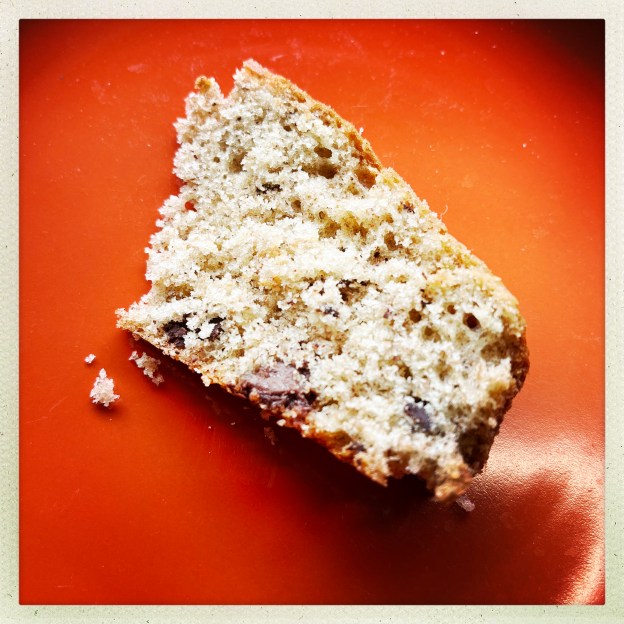
In February I went to visit my north Italian family in Parma. Romana, my cousin, had made this cake. It was plain and simple but we loved it, especially my youngest who ate it for breakfast and for tea.

It’s very usual to have such a cake as this and it be presented at various times during the day, until there’s nothing left. It’s part of its life journey that it should go slightly stale towards the end, so you can refresh it by giving it a hot dunk in morning caffe latte or tea-time lemon tea. I asked Romana for the recipe and here it is, I’ve put its most basic incarnation here plus a few small additions (in brackets) which make it a bit extra special. But don’t veer too far from the original. This cake is not fancy, doesn’t want to be and therein lies its beauty.

Oven to 180C you need a tin of about 9″/23cm, base lied with baking parchment.

300g of 00 or plain flour (I sometimes use 200g white flour and 100g wholemeal)
180ml of whole milk (semi skimmed will do)
150g caster sugar
2 eggs
100ml of olive oil (you can use extra virgin if you are so inclined, I’ve also used 50ml of lemon infused/50ml of normal olive oil)
3 teaspoons of baking powder
100g chocolate chips. This cake really benefits from those store board tiny chocolate chips but I have so much chocolate that I just chop up that)
(A really fabulous addition is to use Bakery Bits’ Fiori di Sicilia essential oil, this elevates it massively as well as smelling amazing and making the cake taste SO Italian.)

Mix the caster sugar with the oil, add the eggs, then the flour, then the milk and baking powder. Finally mix in the chocolate chips and the Fiori di Sicilia if using. Put in the tin and bake for about 40 mins. Check after 30.

This is great for taking to work/school in lunch boxes as it’s a very well behaved cake when travelling.

Also if anyone is interested in the approx macros for this whole cake they are:
Total weight: 931g
Protein: 60.2g
Fag: 157.7g
Carbs: 430.2g

Fibre: 29.5g
Sugars: 189.6

Update August 2025.

I now make this in my mini loaf cake tin to make..mini loaves and they are so cute and take about 20-25 mins.

Nigella’s rather good banana and chocolate bread (which can be gluten free).

I always associate banana bread with Nigella. I think it’s because, it was in one of the first recipes of hers that I read, I’m sure, that she said baking a banana bread filled the house with a fug of domesticity.

Or some such. Since then I’ve made dozens of banana breads and it usually
disappoints, probably because I keep changing recipes. Faced, however, with a huge batch of frozen, overripe bananas in the freezer (I always freeze overripe bananas) and more chocolate than any sane person needs (this is what happens when you get made Chocolate Correspondent of a national newspaper) I decided to have another go at making banana bread.

Also, for complicated reasons that I don’t fully understand myself, I hadn’t cooked or baked anything in weeks when I first made this last year. Which is really not like me, but this glorious little cake gave me my baking mojo back.

For a writer, I am remarkably picture led where recipes are concerned and thus it was that I found this recipe for Nigella’s Gluten-Free Banana Bread and it was, I confess the picture of the large slabs of chocolate which lured me in.  I planned to make it gluten free (why not) but in the end found no rice flour in my flour cupboard so made it with normal plain flour. I also lowered the sugar and used pecans instead. I think this would also be great made in muffin size. I’ve put the recipe below as I made it – do refer to the original if you wish and if you want to make it gluten-free which this ain’t.

175g plain flour (I use spelt these days, a mixture of white and wholegrain)

100g ground almonds

two teaspoons of baking power

half a teaspoon of bicarbonate of soda

a quarter teaspoon of sea salt

500g of very ripe bananas (weighed with skin on)

two teaspoons of vanilla extract

100g Greek yoghurt – full fat

Two eggs

125g light olive oil

100g light brown sugar

100g roughly chopped pecans (or any other nut you like)

150g chopped chocolate – I used a mixture of milk and plain in chocolate chip size and quite large chunks

You need a 2lb loaf tin for this (Nigella gives the sizes as 24cm x 12cm and mine was roughly that, why don’t cake tin manufacturers put the volume/measurements on the bottom of their tins?). Line this tin. Preheat the oven to 170C.

Mix together the dry ingredients, thus the flour, ground almonds, baking powder, bicarbonate of soda and salt.

In a larger bowl (for this will be the one everything else ends up in) place the bananas and mash them up, then mix in the vanilla extract, Greek yoghurt and the eggs one at a time. Then the oil and sugar. When all is better unified than a post-Brexit UK, add the dry ingredients bit by bit until combined. Then finally gently fold in the nuts and chocolate.

Dollop all this in the cake tin and bake for about forty minutes. Nigella says 45-55, my oven seems quite fierce so I started checking it after 35 mins. Also it does depend on how much moisture your bananas hold.

You know it’s done when the top is dry, it springs back, it’s shrunk away a little from the sides and a skewer comes out relatively clean (obviously not if you hit a shard of chocolate).

This is a beautiful cake. Unfortunately I can’t find a picture I took of it so this post will be picture-less until I make it again.

2024 I finally remembered to take a pic and post it on here..

Halloween spider’s web cake

We do Halloween in our own way in this house, which is not very much. We don’t do trick or treating because that kinda contradicts everything we say the rest of the year (“knock on strangers’ doors! Eat lots of sweets! Ghosts and ghouls do exist!”).

But we aren’t total killjoys, either. We do stuff and have our own traditions and one of them is that I make this cake.

It’s basically a red velvet chocolate cake – or that’s how it started – but I don’t add red colouring so mine isn’t red, it’s just a light chocolate cake with cream cheese/sugar/butter filling and covered with a chocolate ganache, then iced with white chocolate. It’s actually fairly easy and really tasty and if you have one, a plastic spider on top looks good.

This recipe is adapted from a recipe in Waitrose magazine. The changes I’ve made are: no salted butter, no red food colouring, more cocoa, I used kefir instead of buttermilk (don’t worry if this means nothing to you!) and I cut the sugar down. But you can’t tell. It’s still very much a proper cake.

The cake

200g butter at room temperature

350g plain flour

1 tsp of baking powder

1 tsp bicarbonate of soda

4 tablespoons of good cocoa powder

quarter of a teaspoon of sea salt

300g caster sugar

3 eggs

1.5 tsp vanilla extract

284ml buttermilk/kefir

Cream cheese filling

120g butter

120g cream cheese

100g icing sugar

Chocolate icing

300ml double cream

250g 70% cocoa chocolate, chopped

1.5 tablespoons of liquid glucose (you can buy it in tubes in the baking aisle)

50g white chocolate (I use Green and Black’s – absolutely the best white chocolate there is that doesn’t cost loads)

You’ll also need an icing bag and fine nozzle

What to do

Oven to 170C.  Line a 23cm spring-form cake tin with parchment or treat yourself and buy some cake tin liners. Put all the dry ingredients in a bowl, but not the sugar. Put the sugar and butter in a separate bowl and either beat by hand or put in a food mixer with whisk attachment and beat until smooth. Now add the eggs (continue with the food processor if you have started with it, but by hand is also, of course, fine) one at a time, beating well with each addition.

Now add the dry ingredients, alternating with the buttermilk/kefir until all combined. That’s it, your cake is done. Scrape into a tin then bake for about an hour.

It needs to cool completely. When it is cool, slice it into three. You’ll probably have two flat layers – the bits of the cake that were the middle and the bottom – and a slightly domed layer – the natural top of the cake. You can, if you want, straighten the slightly domed layer out by cutting it, or you can just use it as the middle layer of your cake. Either way, you want a very flat layer for the top, please.

Place what will be the bottom layer on a cooling rack on top of a baking tray (this is important for later) and spread half the filling on, place other layer on top and finish with a flat layer. Put it in the fridge for about 30 mins (longer if you want).

When you are ready to do the topping: place the double cream, dark chocolate and liquid glucose in a bowl atop some simmering water until all smooth and melted. At roughly the same time, melt the white chocolate in the same way and prepare to put into an icing bag with a thin nozzle icing head-piping-thing.

Now, spread the chocolate layer over the top with a spatula knife – this is where the baking tray comes in useful. It takes some practise but you will get some chocolate on the sides as you really need to cover the whole thing. Flatten the top. Now you pipe a spiral of white chocolate around the cake – start a bit off centre. When you’ve covered the whole cake, take a cocktail stick or skewer and make lines from the centre out, to make that ripple effect. Put back in fridge to chill and take out and serve at room temperature.

It’s good. Happy Halloween!

Lemon poppy seed cake that can be drizzled if you want

The first time I made this, I made a mistake. I didn’t read the recipe all the way through. The recipe was just a collection of letters, made into words, that were irrelevant to me until I started actually making the cake when they became vital and important, a means to cake. And then I realised that the sugar quantity was meant to be split in two, 165g of which was meant to be added to the cake mixture and 135g was meant to be reserved for the drizzle. So I never did the drizzle part and, actually, that was the best (to me) version of this cake I’ve ever made. I’m not overly keen on sugary drizzle on a cake. I mean, it’s like the sugar fairy has pissed on a perfectly good cake.

To me a cake should be soft, yielding, maybe creamy; but purposely moist – made moist – just confuses me. I think this is in part because there is an old Italian tradition, when eating stale bread, which is to wet it. A habit that I used to find abhorrent as a child, but then, I had that luxury, having not lived through a war.

So now, I occasionally make this cake the proper way and sometimes make it my way. I give both versions below. It’s a lovely cake to have in, it lasts a good few days and you always have something for guests. But it’s not the sort of cake you want to eat loads of, it’s not a dangerous cake. And it’s the best version of this sort of thing that I’ve ever made/had. I think the addition of ground almonds gives it a certain substance, a certain meatiness. And I like that. It was from Delicious magazine a few years ago.

Ingredients

165g soft, unsalted butter

250g caster sugar – if you intend to make the drizzle then use 165g of sugar in the actual cake and reserve the rest. If you don’t want to do the drizzle then just 165g of sugar is fine

The zest of 3 lemons and the juice of 2 (you only need the juice if you intend to do the drizzle)

2 eggs

165g plain flour (I sometimes put some wholemeal in there, or some oat flour, but not much, maybe 20-30g no more)

half a teaspoon of bicarbonate of soda

1 teaspoon of baking powder

50g ground almonds

50ml hot water

1 and  half tablespoons of poppy seeds

Method

Preheat the oven to 180C and line a 1litre loaf tin. MIx together the 165g of butter and 165g of sugar and beat until pale and fluffy. Mix in the lemon zest. Now beat in the eggs, a bit at a time, adding a spoon of flour as you go with each egg. Add the rest of the flour/bicarb/baking powder.

Mix in the hot water, the ground almonds and poppy seeds and pour into the tin. Bake for 40-50 minutes. A tester pushed into the cake should come out clean. My oven is very hot so I check after about 38 minutes.

Now, set aside to cool and that’s it if you are not doing the drizzle. If you are, then you now mix the lemon juice with the remaining 85g of sugar and heat in a pan until dissolved. Prick the cake all over whilst it’s still warm and in its tin (but has had about 10 mins to just chill) and then gently spoon the lemony sugar mixture over the top.

Blueberry and yoghurt loaf cake

Ever since I started making my own yoghurt, I’ve looked out for recipes involving yoghurt. Prior to last year, I’d never used yoghurt in cakes. I’d used it, with much success, in pancakes, but cakes? No.

Last year I found an amazing recipe for a very plain, but none the less delicious, lemon yoghurt cake. I’m not reproducing that one here because although the actual cake was delicious, the topping it recommended, was not. Using yoghurt in a cake makes the cake really moist and light, making it a bit more ‘shop bought’ in texture, which sounds mad, but sometimes I do like the texture (if not the taste) of supermarket cakes.

This cake is a Donna Hay recipe. It’s light, easy, delicious, wonderful. And sometimes you need something easy, yet spirit lifting. Especially on a Monday. I hate Mondays. I find it so difficult to wrench myself from the bosom of my family and send my children out to school and me out to work. Cake makes it all better, and if it’s made of yoghurt and blueberries, that can’t be bad, can it?

You need:

150g unsalted butter, melted or very very soft.

220g caster sugar

2 eggs

140g thick plain yoghurt

Zest from a small lemon

1 teaspoon of vanilla extract

225g self raising flour

125g blueberries

icing sugar to dust.

This is what you do:

Oven to 160C. Put the butter, sugar, eggs, yoghurt, lemon zest and vanilla in a bowl and whisk to combine (I use a food mixer with a whisk attachment but it’s fine to use a wooden spoon/hand whisk and some muscle). Now add the flour and whisk until well combined Gently fold through the blueberries and spoon into a lined loaf tin of about 22cm x 8cm x 7cm. Smooth the top and bake for about an hour, bit more if it’s still very moist. A cake tester should come out clean. Cool and dust with icing sugar.

Another favourite cake recipe that uses yoghurt in the icing is here and it’s delicious.

A cake to cheer you up and natural firelighters

A really rather superior cake.

I’ve been pretty flat thus far this month. In part because there is loads of bad news around, it’s end of year accounts time, tax is due, it’s not Christmas, all those things you put off until after Christmas can no longer be ignored, everyone is miserable, George Osborne is still chancellor and also because January just generally is the arse-end month of the calendar. The only good point in it is my mother’s birthday.

We usually book a little weekend away in Jan or Feb to cheer ourselves up. But not this year.

Anyway. Two things that cheer me up are real fires and cake and the two are connected today by: oranges.

Orange peel, left to dry a bit, makes excellent firelighters. I doubt they’d be an alternative to shop-bought, kerosene soaked firelighters, but they are a good addendum to them and also smell nice. I had two oranges that I’d studded with cloves for Christmas, you know the sort of thing. And they’d started to go off and dry up and I put them on a really roaring fire and the smell was amazing. As was the glow of the cloves..nut shells also burn well (because of the oils, same reason orange peel does). So save up all your pistachio shells to put on the fire.

Jesus, could that sentence sound more middle class.

Cake. I saw this recipe in the Waitrose magazine this month and earmarked it for the weekend (I don’t eat cake during the week). I made it last weekend and it’s a really excellent cake. The sponge is heavy with ground almonds which gives it a dense crumb but an amazing taste. I loathe icing sugar heavy icings – those that are nothing more than icing sugar and water or butter (why why why would anyone eat such things?) and have a glycaemic index of 112, and this is at least a bit better for you as it uses mostly Greek yoghurt and mascarpone.

I would link to the goddam recipe but Waitrose magazine hasn’t put it online yet the bastards.

for the cake

125g unsalted butter, softened
200g caster sugar
3 large eggs
100ml single cream
250g ground almonds
125g plain flour
1 teaspoon baking powder
half a teaspoon of salt
zest of one orange
3 tablespoons of seville orange marmalade

for the syrup

the juice of one orange
1 tablespoon of seville orange marmalade

for the frosting

150g mascarpone
125g Greek yoghurt
4 tablespoons of icing sugar
2 tablespoons of seville orange marmalade
the zest and juice of half an orange

You need two 20cm cake tins lined in baking parchment.
Oven to 180C.

Using an electric mixer (I used the whisk attachments) beat the butter and  sugar for five long, boring minutes until it’s light and fluffy or at least, til 5 mins have passed.

Beat in the eggs, one at a time, then the cream, then the almonds. Once mixed together, I took it off the whisk and did the rest by hand: folded in the flour, baking powder and salt, then the orange zest and marmalade.

Divide between the tins and bake for 20-25 mins until a skewer comes out clean. You know the drill.

The recipe says to wait til the cakes are cooled to pour on the syrup. I didn’t really. I left them for a bit then made the syrup and poured on whilst the cakes weren’t cool. Be warned however: keep the cakes in the tins whilst you pour the syrup on as there’s a lot of syrup and you want to contain everything.

So, to make the syrup you combine the two ingredients and warm gently in a saucepan  until the marmalade has dissolved, then prick the two cakes and pour over evenly.

Now leave the cakes until they are completely cooled. Disrobe them from their parchment and now make the icing which you do thus:

Beat all the frosting ingredients together, reserving a sprinkle of orange zest which you’ll use for decoration. Sandwich the cakes together with it, then put some icing on the top. Sprinkle with the zest.

Delicious.

Although I haven’t tried it, I think this cake might respond well to being made with rice flour.

Dan Lepard’s Almond Layer cake with crushed raspberries

All my own work.

This recipe was published in the Guardian last year. I made it on the day it came out, as you can probably see from the below the line comments (Dan linked to a picture of the cake that I tweeted, for I can no longer bake in isolation, but need to share with the world). Since then I’ve baked it many times. It’s perfect for when you want a proper teatime cake with goo. And it’s not difficult.

The recipe is here. There are a few comments I’d like to make:

I don’t have 18cm cake tins so I use 8″ ones (which is slightly bigger than 18cm, sorry to mix imperial and metric). It’s fine.

I find 30 mins just a bit too much….so check after 25 mins.

I double up the syrup Dan uses to soak the sponges, as I find doing his amount isn’t enough for my thirsty cakes.

You could easily, easily make two not-so-high-cakes out of these, by that I mean slice the cakes in half horizontally. That way you get more cream/raspberries to sponge ratio. Won’t be so towering and impressive, but if you need more cakes.

Put more cream in the sandwich layer than you think you’ll need. It squishes down.

Children also seem to love this. I find this is important when I just want to do one thing.

This is a really delicious cake. It’s so much more than a Victoria sponge. It’s so easy to make (make the cake bits ahead, assemble before you eat it) and is impressive. My friend Kate is so greedy for this cake, I can make her turn all sorts of tricks for it.IMG_0995


Eating and freezing notes: Unless this cake is for An Event, I now make two cakes out of it. That is to say instead of putting one of the cakes atop the other, which makes for a spectacular cake but one that’s fairly high, I slice each in half (see pic above). Or I freeze one of the (plain) cakes for another time. It freezes really well but freeze it before you soak it with the brandy/sugar syrup. Do that when you defrost it and then proceed with the cream/fruit part.